The Burning Crusade (TBC) expansion introduced a new level of challenge with heroic dungeons, particularly Shattered Halls and Shadow Labyrinth. These dungeons were designed to push players to their limits, but they inadvertently created barriers for casual players and PUGs (Pick-Up Groups). This guide explores the mechanics behind these dungeons, their impact on the player community, and strategies for overcoming their challenges.
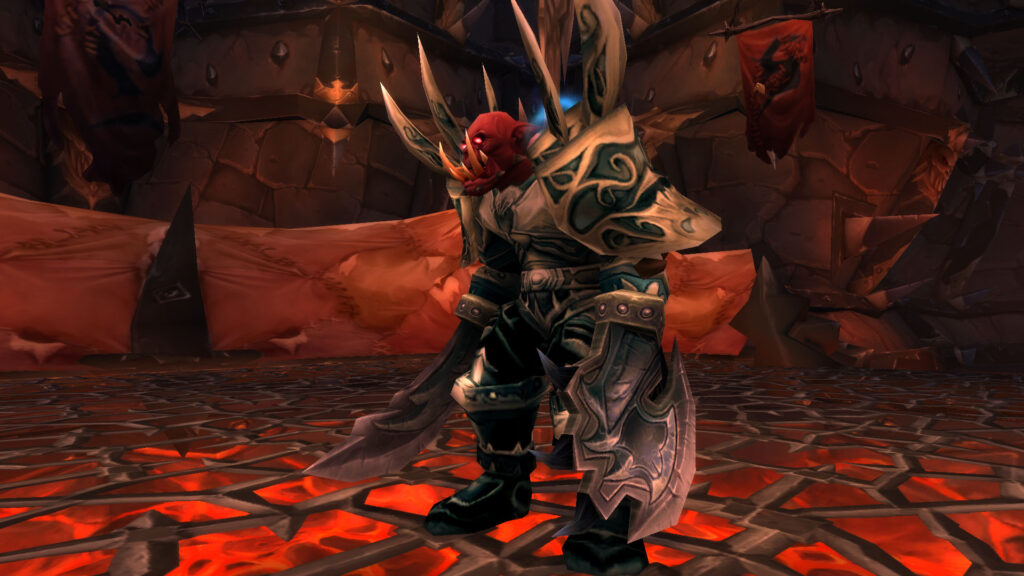
What are the key differences in difficulty between Shattered Halls and Shadow Labyrinth?
Shattered Halls is generally considered more difficult than Shadow Labyrinth due to its mechanics and enemy density, making it a challenge for casual PUGs.
Understanding the differences in difficulty between these two dungeons is crucial for players looking to optimize their runs. The following table outlines key metrics that highlight the challenges presented by each dungeon, including enemy types, mechanics, and required strategies.
| Dungeon | Enemy Density | Key Mechanics | Recommended Group Composition |
|---|---|---|---|
| Shattered Halls | High | Multiple AoE attacks, crowd control | 2 Tanks, 3 Healers |
| Shadow Labyrinth | Moderate | Single-target burst damage, interrupts | 1 Tank, 2 Healers |
| Overall Difficulty | Varies | Complex mechanics | Flexible |
Why did Shattered Halls and Shadow Labyrinth create challenges for casual PUGs?
These dungeons introduced mechanics that required precise execution and coordination, making them difficult for casual PUGs lacking experience and communication.
The design of Shattered Halls and Shadow Labyrinth emphasized the need for teamwork and strategy, which often proved challenging for casual players. The high enemy density in Shattered Halls, coupled with the need for effective crowd control, meant that players had to be highly coordinated to succeed. In contrast, Shadow Labyrinth’s mechanics required players to manage burst damage and interrupts, which could easily lead to wipes if not executed properly. This disparity in required skill levels made it difficult for casual groups to complete these dungeons without prior experience.
Moreover, the mechanics of these dungeons often led to frustration among players. For instance, the need for specific class abilities to counter certain mechanics could leave groups feeling underprepared. The reliance on communication and strategy further complicated runs, as many players were not accustomed to such high levels of coordination. This created a divide between more skilled players and those simply looking to enjoy the game, leading to a decline in the overall PUG experience.
Historically, the introduction of these dungeons also coincided with a shift in player expectations. As players became accustomed to the more forgiving nature of earlier dungeons, the sudden spike in difficulty was jarring. This led to a perception that these dungeons were not designed with casual players in mind, further alienating those who struggled to adapt to the new mechanics.
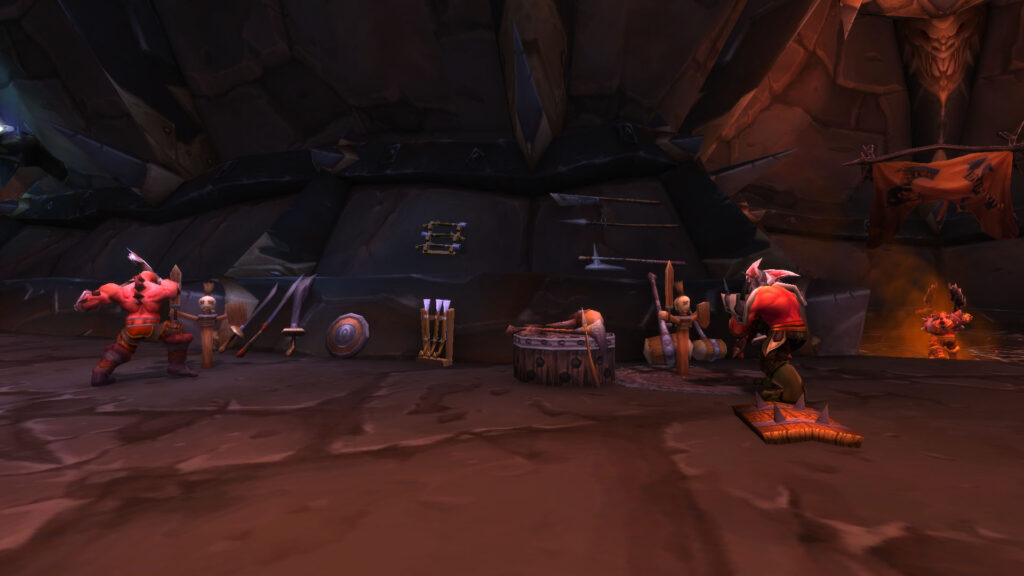
What steps can players take to successfully navigate Shattered Halls and Shadow Labyrinth?
Players can enhance their chances of success in these dungeons by preparing adequately, understanding mechanics, and communicating effectively with their group.
Preparation is key when tackling Shattered Halls and Shadow Labyrinth. Players should familiarize themselves with the mechanics of each dungeon before entering. This includes understanding enemy abilities, optimal positioning, and the importance of crowd control. Additionally, ensuring that the group has a balanced composition can significantly improve the chances of success. For example, having multiple healers in Shattered Halls can help mitigate the high damage output from enemies.
- Research dungeon mechanics: Study guides or videos to understand enemy abilities and strategies.
- Form a balanced group: Aim for a mix of classes that can handle the mechanics effectively, such as having a dedicated tank and multiple healers.
- Communicate with your group: Use voice chat or in-game chat to coordinate strategies and call out important mechanics during the run.
- Practice patience: Understand that wipes may happen, and use them as learning opportunities to improve future runs.
By following these steps, players can create a more enjoyable experience for themselves and their group. Additionally, practicing these strategies in lower-level dungeons can help build the necessary skills and teamwork required for success in Shattered Halls and Shadow Labyrinth.
What are the critical parameters for success in these dungeons?
Success in Shattered Halls and Shadow Labyrinth hinges on understanding key mechanics, group composition, and effective communication.
To navigate the challenges presented by these dungeons, players must focus on several critical parameters. First, understanding the mechanics of each encounter is essential. For example, in Shattered Halls, players must be aware of the AoE damage from certain enemies and plan their positioning accordingly. Similarly, in Shadow Labyrinth, players need to be prepared to interrupt key abilities to prevent devastating damage to the group.
Group composition also plays a significant role in success. A well-rounded group that can handle both damage and healing is crucial. For instance, having a mix of melee and ranged DPS can help manage enemy positioning and control. Additionally, ensuring that the group has access to crowd control abilities can significantly reduce the pressure on healers and tanks, allowing for smoother runs.
Lastly, effective communication cannot be overstated. Players should establish a clear plan before engaging enemies and be prepared to adapt as needed. This includes calling out important mechanics, coordinating crowd control, and ensuring that everyone is aware of their roles. By focusing on these parameters, players can improve their chances of success and create a more enjoyable experience in these challenging dungeons.
What troubleshooting strategies can players employ when facing difficulties in these dungeons?
Players can troubleshoot issues in Shattered Halls and Shadow Labyrinth by analyzing wipes, adjusting strategies, and improving communication.
When facing difficulties in these dungeons, it is essential to analyze the reasons behind wipes and adjust strategies accordingly. For instance, if a group consistently wipes on a specific boss, players should review their positioning and ability usage. Identifying patterns in wipes can help pinpoint areas that need improvement, whether it be tank positioning, healer awareness, or DPS output.
Additionally, players should be open to adjusting their strategies based on the group’s strengths and weaknesses. If a particular mechanic is proving too challenging, consider modifying the approach. For example, if crowd control is failing, players might need to focus on interrupting key abilities instead. Flexibility in strategy can often lead to breakthroughs in difficult encounters.
Lastly, improving communication within the group is vital. Establishing a clear call-out system for mechanics can help ensure that everyone is on the same page. Players should also encourage open dialogue about what is working and what isn’t, fostering a collaborative environment. By employing these troubleshooting strategies, players can enhance their chances of success and create a more positive experience in Shattered Halls and Shadow Labyrinth.
What are the future trends in dungeon design that could affect casual players?
Future dungeon designs may focus on accessibility and balance, aiming to create a more inclusive environment for casual players while maintaining challenge.
As the gaming community evolves, there is a growing emphasis on creating dungeons that cater to a wider range of player skill levels. Future designs may incorporate mechanics that are challenging yet accessible, allowing casual players to engage without feeling overwhelmed. This could involve introducing more forgiving mechanics or providing clearer cues for players to understand and react to during encounters.
Additionally, the trend towards flexible group compositions may continue, allowing players to tackle dungeons with varying class setups. This could help alleviate the pressure on players to have specific classes in their groups, making it easier for casual PUGs to form and succeed. Furthermore, incorporating more solo-friendly content could provide players with opportunities to practice mechanics and improve their skills outside of group settings.
Ultimately, the goal of future dungeon designs should be to strike a balance between challenge and accessibility. By focusing on inclusivity, developers can create an environment where players of all skill levels can enjoy the game. This shift could help bridge the gap between casual and hardcore players, fostering a more united community in the long run.