

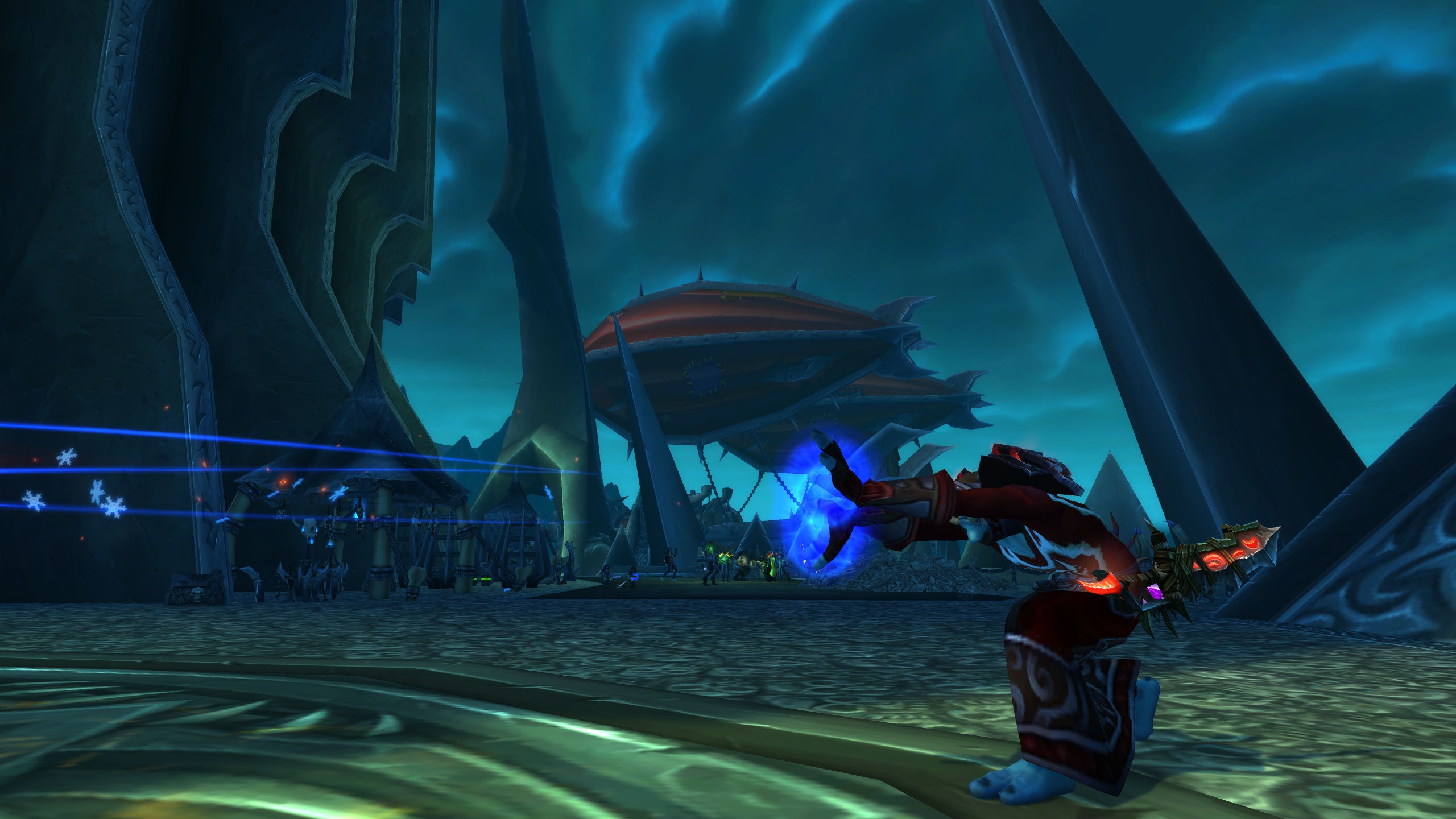
In the depths of Khaz Algar, ancient rivalries and new ambitions collide as the Warbands—once united against common threats—begin to fracture. As players progress through The War Within, they will witness how shifting allegiances, resource scarcity, and ideological differences drive these factions apart. This article delves into the causes, key players, and unfolding events that reshape Khaz Algar’s political landscape, exploring how the Warbands’ divisions impact world quests, dungeon access, and player progression. From clandestine sabotage to outright skirmishes, the renewed conflict underscores that even in the face of void corruption, power struggles persist.

Origins of the Rift
Initially, the Warbands of Khaz Algar—such as the Bronzebeard Consortium, the Wildhammer Vanguard, and the Dark Iron Forgemasters—formed a fragile alliance to reclaim ancient Titan relics and repel Nerubian incursions. These factions, each with their own history and motivations, saw mutual benefit in cooperation: pooled resources, shared knowledge, and combined military might. However, as expeditions uncovered more valuable artifacts, questions of ownership and profit emerged. The Consortium’s desire to secure relics for Ironforge clashed with the Vanguard’s emphasis on freedom and aerial dominance, while the Forgemasters sought to harness infernal energies to maintain their forging supremacy. Tensions simmered beneath the surface, but a single spark—a discovery of a dormant Titan sentinel—ignited latent hostilities, setting the stage for political maneuvering and covert operations that would widen the divide.
Key Catalysts of Division
Several pivotal events accelerated the Warbands’ split: first, the “Crystal Vault Incident,” in which the Bronzebeard Consortium claimed exclusive rights to a newly revealed vault of elemental artifacts, excluding their former allies. This move prompted the Vanguard to accuse the Consortium of hoarding resources vital to all factions. Shortly after, the “Ebonforge Sabotage” occurred—an explosion in the Dark Iron smelting pits that destroyed a shipment of war materials destined for the Consortium. Finger-pointing ensued: the Consortium blamed the Vanguard for covertly funding insurgent groups, while the Forgemasters hinted that the Consortium orchestrated the blast to maintain dominance. These incidents shifted alliances: some members of the Vanguard defected to support the Forgemasters, believing a united front against Consortium greed was necessary. Back-channel negotiations collapsed under mutual suspicion, and each Warband began to fortify strategic positions within Khaz Algar—securing chokepoints, stockpiling rare resources, and recruiting mercenary volunteers from neutral settlements. The conflict now transcends simple rivalry; it embodies deeper ideological divides over how Khaz Algar’s wealth should be shared and wielded.
Notable Skirmishes and Espionage
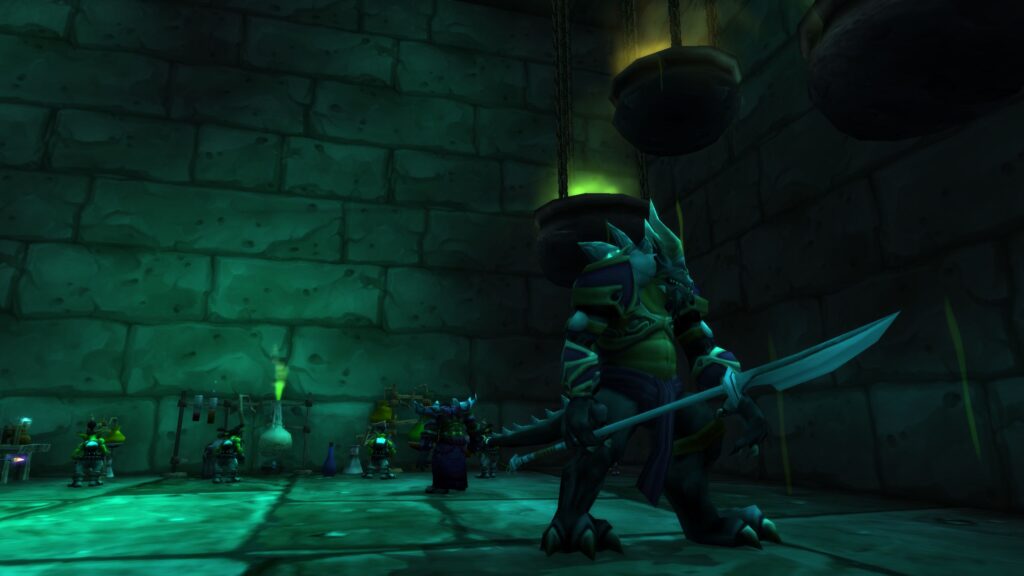
Skirmishes erupted throughout key zones: in the “Embercoil Junction,” Vanguard scouts ambushed a Consortium convoy transporting Titanforged ore, leading to a brutal firefight that threatened to collapse an overlying cavern. Meanwhile, Forgemasters engineers deployed steam-powered sentry turrets along the “Ironflow Pass,” disrupting supply routes and forcing the Vanguard to reroute through hazardous tunnels. Espionage became rampant: undercover Consortium operatives planted false intelligence within the Vanguard leadership, misleading them into costly raids on empty depots. Conversely, the Vanguard’s aerial riders executed nighttime raids on the Dark Iron’s forges, stealing critical blueprints. The once-cooperative Warbands now rely on intelligence networks and counterintelligence measures—agents employing covert glyph magic to intercept communications and set traps. These skirmishes aren’t merely collateral damage; they represent deliberate attempts to weaken an opponent’s strategic foothold. As each faction adapts, Khaz Algar’s geography becomes a chessboard, with tunnels, choke points, and Titan constructs serving as both battlegrounds and strategic assets.
Impacts on Player Experience
For players, the Warband divisions translate into new gameplay dynamics. World quests now align with faction control—completing objectives for one Warband may restrict or alter available quests for another. Faction-specific vendors appear in contested zones, offering unique gear or crafting recipes unavailable to rivals. Dungeon access changes dynamically: certain entrances become controlled by a Warband, requiring players to pledge temporary allegiance or complete faction-aligned mini-objectives before entry. Reputation systems grow more complex, as gaining favor with one Warband can simultaneously lower standing with its rivals, affecting Warband Token conversion rates and access to exclusive Warband quests. Additionally, PvP skirmish events are scheduled where factions vie for control of resource nodes—players join battleground-style encounters to seize deposits of void-infused crystals or Titan relic fragments. This fluid environment demands that players remain vigilant: a casual choice to aid one Warband can ripple into restricted access to dungeons or quest lines tied to another, making strategic reputation management essential for comprehensive exploration of Khaz Algar.
Long-Term Consequences and Alliances

As the conflict escalates, some Warbands explore unlikely alliances. The Earthen Ring, observing the division, offers to mediate—promising neutral protection for shared excavation sites in exchange for relic-sharing agreements. Meanwhile, fringe groups like the Shadowcoil Syndicate exploit the chaos, smuggling contraband and void-infused components between warring factions to profit from both sides. Rumors circulate of a secret council meeting—held in a neutral cavern—where representatives from all Warbands might negotiate a truce to confront emerging void threats. Yet many doubt such unity can be achieved: ideological rifts run deep, and trust has eroded. The choices players make in these diplomatic events—who to back, what resources to allocate—shape the future of Khaz Algar. Will factions reconcile to face darker challenges, or will the divide widen until only one Warband claims supremacy? The answers lie in ongoing player-driven events, with each outcome changing the political landscape and narrative direction for future patches.
Alliance Breakdown by Warband
- Bronzebeard Consortium: Focused on Titans’ relics and technological mastery; allies with the Earthen Ring for mutual research benefits but clashes with Wildhammer principles.
- Wildhammer Vanguard: Values freedom, aerial dominance, and preservation of nature; forms temporary alliances with rogue factions to counter Consortium control.
- Dark Iron Forgemasters: Seeks power through elemental forges and infernal energy; ambiguous alliances, occasionally siding with Consortium for mutual benefit but keeps options open.
- Earthen Ring: Neutral arbiters aiming to preserve Khaz Algar’s balance; allies sporadically with all factions to maintain stability and combat void incursions.
- Shadowcoil Syndicate: Profiteers from conflict, smuggling void components and relics; no true allies, but manipulates factions by trading secrets to highest bidder.
Conclusion
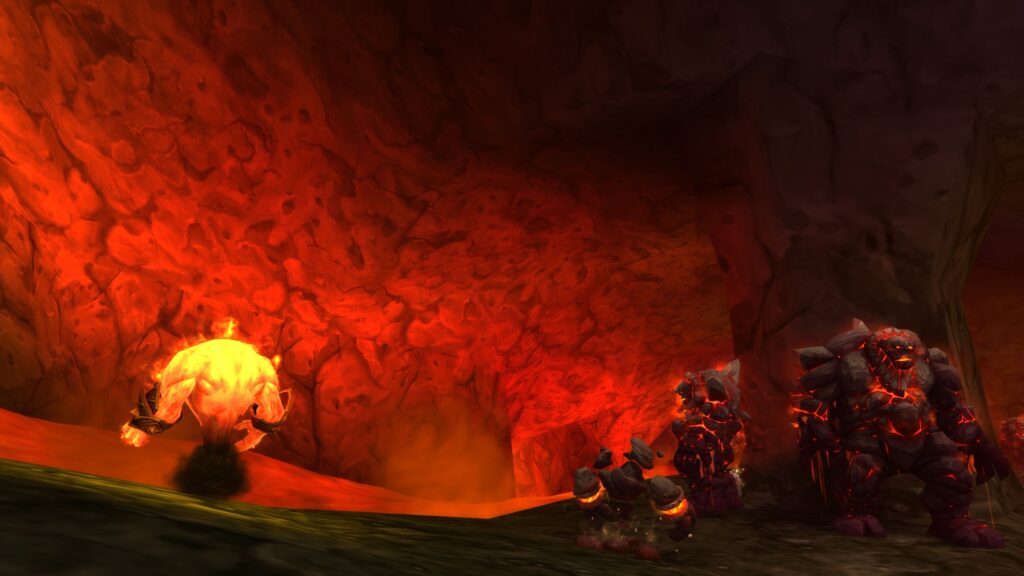
Faction Conflict Renewed: The Warbands Divide captures a pivotal moment in Khaz Algar’s history, where old alliances fracture and new coalitions emerge. For players of The War Within, these shifting loyalties create a dynamic environment filled with strategic depth, moral ambiguity, and high-stakes decision-making. As you navigate the world, your choices—whom you aid, where you pledge allegiance—carry weight beyond personal rewards. They shape the political tapestry of Khaz Algar and determine whether unity can be forged in the face of greater threats or if the Warbands’ divisions will pave the way for doom. The subterranean struggle has only just begun; which side will you champion?