

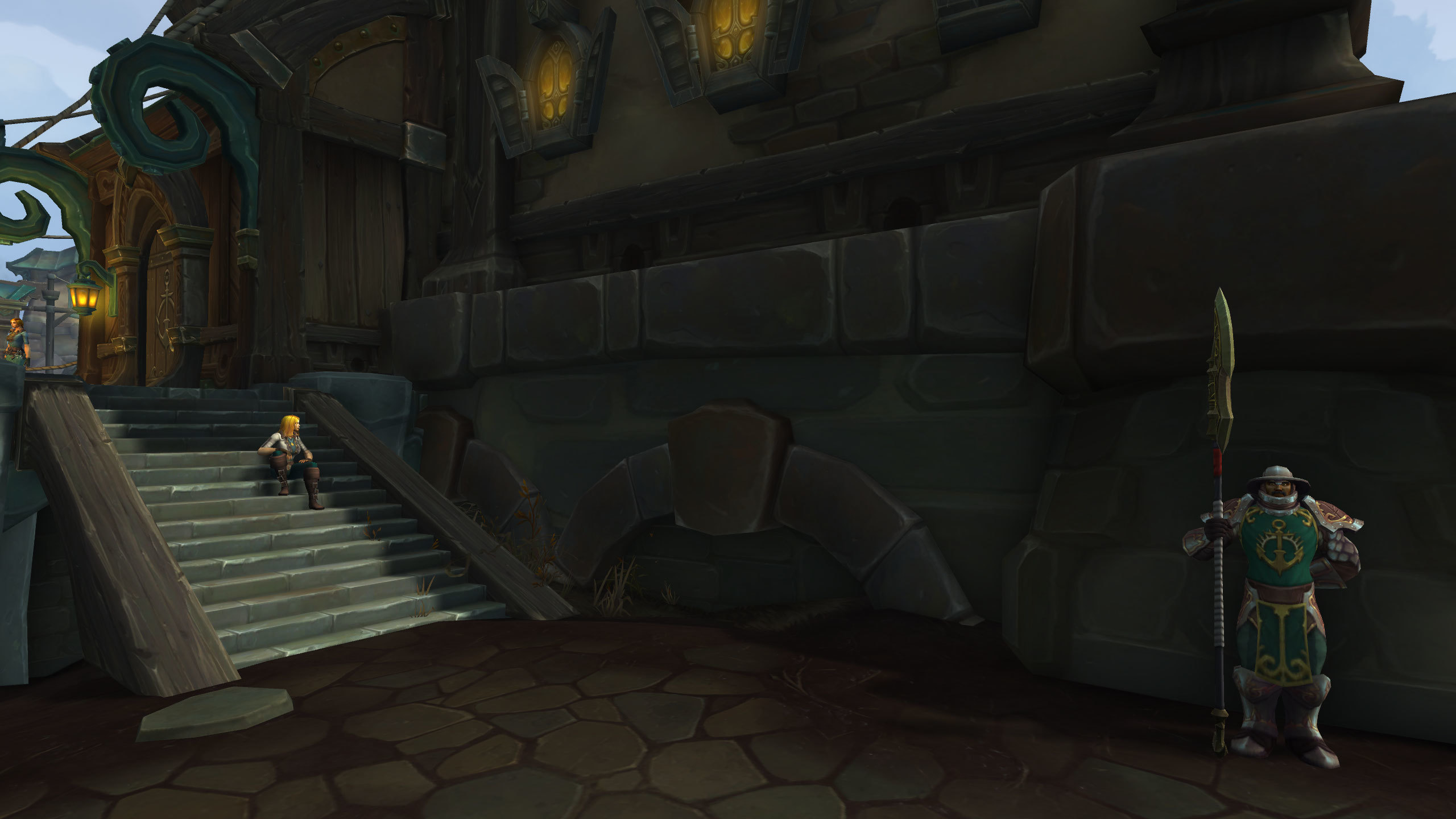
Player-versus-player combat in World of Warcraft has always been more than just competition—it’s self-expression. Every duel outside Orgrimmar, every arena skirmish, every battleground victory tells a story about who a player is and how they fight. PvP is the heartbeat of rivalry and pride, a proving ground where mechanical skill meets psychological warfare. Beneath the chaos lies something deeply personal: identity forged through challenge.
This article uncovers the cultural, emotional, and strategic side of WoW PvP—the part that defines players long after the fight is over.

The Art of the Duel
Outside capital cities, dueling circles have always been more than training grounds—they’re arenas of honor. Duels strip away group dynamics and item luck, focusing purely on skill and anticipation. Players learn not only their class but their opponent’s habits, reactions, and rhythms. For many, dueling isn’t about victory—it’s about mastery. These impromptu showdowns form micro-communities, where respect is earned one duel at a time.
Every duel is a handshake written in lightning and steel.
Organized Chaos: Battleground Brotherhoods
When Warsong Gulch and Alterac Valley first launched, they captured something rare—PvP with purpose. Battlegrounds taught coordination, strategy, and self-sacrifice. From carrying flags to defending bunkers, players discovered the power of teamwork under pressure. Over time, these battlegrounds evolved into cultural touchstones, with entire guilds specializing in specific maps. Even today, the echoes of early AV marathons define WoW’s PvP nostalgia.

In the chaos of the battlefield, camaraderie becomes the true victory.
Arena: The Stage of Legends
When arenas arrived in The Burning Crusade, they redefined PvP forever. The format distilled combat into its purest form: small teams, confined space, and absolute pressure. Every ability mattered, every mistake was fatal. Over the years, names like Hydra, Snutz, and Chanimals became synonymous with mastery. Arenas transformed PvP from pastime to performance art, blending reflex, intuition, and mind games.
Here, victory isn’t about domination—it’s about discipline.
| Format | Team Size | Key Skill | Emotional Core |
|---|---|---|---|
| Duels | 1v1 | Prediction and reflex | Personal pride |
| Arena | 2v2 / 3v3 | Team synergy | Competitive identity |
| Battlegrounds | 10v10+ | Coordination and tactics | Factional loyalty |
| World PvP | Open | Adaptation | Freedom and spontaneity |
The Culture of Rivalry
WoW’s PvP scene is built on respect as much as conflict. Rivals push each other toward mastery, creating unspoken mentorships through competition. Entire communities remember legendary duels or impossible arena comebacks. PvP isn’t just combat—it’s social storytelling. Friendships, rivalries, and grudges often outlive expansions, forming invisible threads that connect players across servers and years.

Every victory is temporary—but reputation is eternal.
World PvP: The Chaos We Chose
In the early days, contested zones like Stranglethorn Vale and Hillsbrad Foothills were warzones where rules meant nothing. Ambushes, revenge raids, and spontaneous battles forged memories that no system could replicate. Even today, War Mode brings that spirit back—risk and reward balanced on the edge of chaos. World PvP is unpredictable, raw, and deeply human. It reminds players why competition can be just as unifying as cooperation.
In a world full of scripted wars, this one belongs to us.
The Emotional Core of PvP
What keeps players returning to PvP isn’t just adrenaline—it’s identity. A duelist’s pride, an arena champion’s discipline, or a battleground commander’s leadership all reflect how people see themselves in Azeroth. PvP channels the human need to test limits, to be seen, and to improve. It’s not about violence—it’s about validation. Through defeat and triumph alike, players find a mirror that reflects who they truly are.

Every fight, win or lose, becomes part of the story of self.
Conclusion
Behind every duel, arena, or battleground lies a deeper narrative—one of skill, resilience, and belonging. PvP in WoW isn’t just competition; it’s culture. It teaches players to learn, adapt, and respect one another through conflict. While expansions come and go, the spirit of PvP endures—kept alive by those who fight not for loot, but for legacy.
Because in Azeroth, every battle is personal—and every rival becomes a part of who we are.
Home