


You've witnessed WoW's raid evolution unfold like an epic saga. From Vanilla's 40-man behemoths to today's intricate encounters, raiding has transformed dramatically. You've seen mechanics shift from simple tank-and-spank to complex, multi-phase battles. Loot systems evolved from DKP to personal drops, while accessibility increased through flexible sizes and difficulties.
The community's heartbeat quickened with each expansion, as raids became more than just boss fights—they're the epicenter of social interaction and skill progression. This journey has shaped WoW's identity, leaving an indelible mark on MMO history. The full story of raiding's impact runs even deeper.
Key Takeaways
- Raids evolved from 40-player Vanilla encounters to more accessible 10 and 25-player formats in later expansions.
- Boss mechanics progressed from straightforward to complex, multi-phase battles requiring precise coordination and strategy.
- Loot systems transitioned from DKP to personal loot, improving fairness and reducing loot drama.
- Difficulty modes were introduced, allowing casual and hardcore players to experience raid content at appropriate challenge levels.
- Raiding's accessibility and complexity changes fostered a broader, more engaged community and competitive world-first races.
The Vanilla Era
Stepping into the world of Vanilla WoW, you're immediately transported to an era of raw, unpolished raiding. Classic raids like Molten Core and Blackwing Lair defined the early endgame experience, challenging players with complex dungeon mechanics and unforgiving raid difficulty. You'd find yourself immersed in a world where faction pride ran deep, and server-wide community events were the norm.
Boss mechanics were often straightforward yet punishing, requiring meticulous coordination and preparation. Loot distribution became an art form, with systems like DKP emerging to manage the scarce rewards. You'd spend hours perfecting player strategies, from precise positioning to intricate pull techniques.
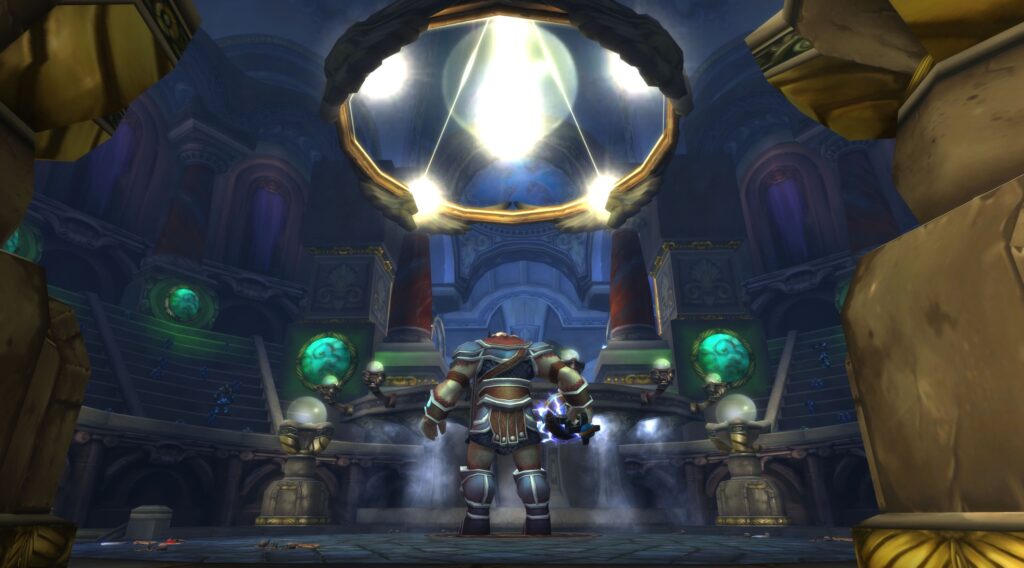
Guild dynamics played an essential role in success, with 40-man raids demanding unprecedented levels of organization. Class roles were rigid, often pigeonholing players into specific functions. You'd witness the rise of addons and voice communication tools to enhance raid coordination.
The Vanilla era laid the foundation for WoW's raiding culture, fostering a sense of accomplishment and camaraderie that would define the game for years to come. It was a time of discovery, challenge, and epic triumphs that left an indelible mark on MMO history.
Burning Crusade and Wrath
The Burning Crusade and Wrath of the Lich King expansions ushered in a new era of raiding, refining and evolving the foundations laid in Vanilla. You'd notice a significant shift in raid size, with 25-player raids becoming the new standard. This change allowed for more intricate boss mechanics while maintaining the epic feel of large-scale encounters.
In Burning Crusade, you'd face challenges like Karazhan's chess event and the multi-phase Illidan fight, showcasing Blizzard's growing creativity in encounter design. Wrath took this further, introducing vehicle combat in Ulduar and the iconic Lich King battle with its multiple stages and plot twists.
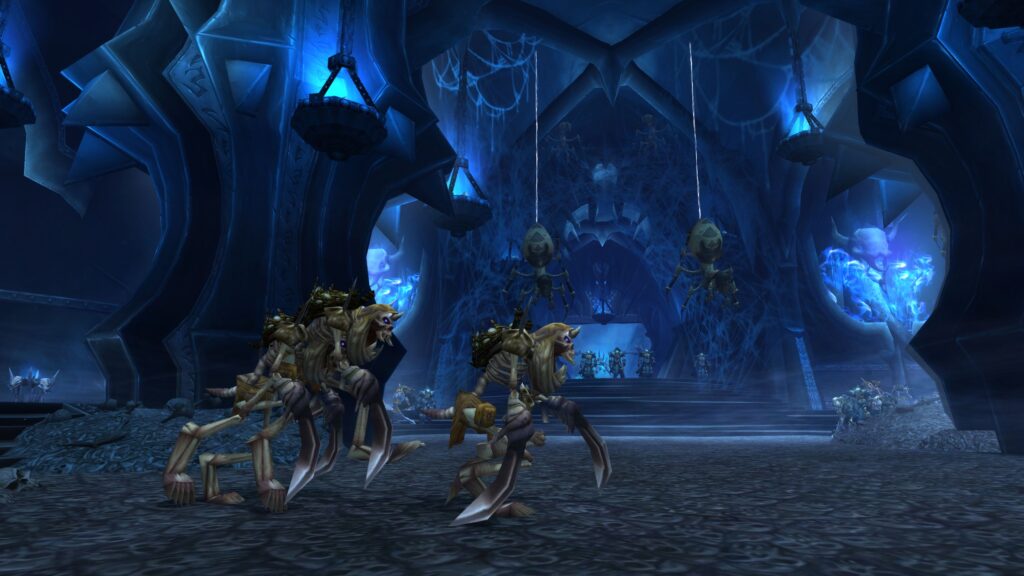
Both expansions also introduced 10-player raid options, making endgame content more accessible. You'd find that boss mechanics became increasingly complex, requiring precise coordination and individual responsibility. The dance-like Heigan encounter in Naxxramas and Yogg-Saron's sanity mechanic in Ulduar exemplified this trend.
Gear progression evolved too, with tier tokens and badges offering more targeted ways to improve your character. These changes laid the groundwork for the modern raiding experience, balancing challenge, accessibility, and reward in ways that would define WoW's endgame for years to come.
Cataclysm to Legion
As WoW entered its third act with Cataclysm, raiding continued to evolve, building on the foundations laid in previous expansions. Cataclysm raids introduced more complex mechanics and environmental hazards, challenging players to adapt quickly. You'd find yourself dodging lava flows in Blackwing Descent or steering through treacherous winds in the Throne of the Four Winds. The difficulty scaling system was refined, offering more accessible entry points for casual raiders while maintaining challenging content for hardcore players.
Mists of Pandaria and Warlords of Draenor further refined raid design, but it was Legion that truly revolutionized the raiding experience. Legion mechanics brought a new level of intricacy to encounters, with fights like Kil'jaeden in the Tomb of Sargeras pushing raiders to their limits. You'd encounter:
- Mythic+ dungeons, offering scalable difficulty for small groups
- Flexible raid sizes, allowing for more diverse team compositions
- The Artifact weapon system, adding depth to character progression
Legion's innovations breathed new life into WoW's endgame, rekindling the excitement of progression raiding for veterans and newcomers alike. The era from Cataclysm to Legion marked a significant leap in raid design, setting the stage for future expansions.
Modern Raid Design
Modern raid design in World of Warcraft has reached new heights of sophistication, building upon the lessons learned from previous expansions. You'll find that raid mechanics have become increasingly complex, requiring a deeper understanding of class abilities and teamwork. Boss encounters now feature multi-phase battles, intricate positioning requirements, and punishing mechanics that demand precise execution.
The evolution of raid design is evident in the following comparison:
| Aspect | Classic Raids | Modern Raids |
|---|---|---|
| Mechanics | Simple | Complex |
| Phases | Few | Multiple |
| Difficulty Modes | None | 4 |
| Player Count | 40 | 10-30 |
| Loot System | DKP | Personal Loot |
You'll notice that modern raids offer a more tailored experience, with flexible player counts and multiple difficulty modes. The shift from large 40-player raids to smaller, more manageable groups has allowed for tighter design and more personalized challenges. Blizzard has also refined the loot system, moving away from the old Dragon Kill Points (DKP) method to a personal loot system that reduces drama and guarantees fairer distribution. As you progress through modern raids, you'll appreciate the intricate dance of abilities, positioning, and coordination required to overcome each unique boss encounter.
Impact on WoW Community
Evolving raid design has profoundly shaped the World of Warcraft community, transforming how players interact, organize, and pursue in-game goals. You'll notice that as raids became more accessible, community engagement soared. Players who once felt excluded from endgame content now find themselves part of thriving raid teams, fostering new social interactions and shared experiences.

Guild dynamics have shifted dramatically. Where once only the most hardcore guilds could tackle raid content, you'll now find a diverse array of groups tackling challenges at various difficulty levels. This accessibility has led to increased player bonding, as you're more likely to find a raid team that fits your playstyle and schedule.
The impact on progression challenges and competitive spirit can't be overstated. You'll observe that:
- Raid accessibility has created a broader pool of skilled players
- World-first races have become major community events
- Guilds of all levels now have meaningful progression goals
As you reflect on WoW's raiding evolution, you'll recognize how it's woven itself into the fabric of the game's social structure. From casual friends tackling Normal modes to elite teams pushing Mythic progression, raiding continues to be a cornerstone of community interaction in Azeroth.
Frequently Asked Questions
How Has Raid Loot Distribution Changed Over Time in World of Warcraft?
You've seen raid loot distribution evolve dramatically in World of Warcraft. Remember the days of DKP and loot councils? Those early loot systems shaped player expectations, often leading to drama and frustration. As you progressed through expansions, you witnessed the introduction of personal loot, which aimed to streamline distribution and reduce conflicts. You've adapted to these changes, from the thrill of rolling for rare items to the convenience of personalized drops. Each system has left its mark on your raiding experiences.
What Role Did Addons Play in the Evolution of Wow Raiding?
You've hit the nail on the head with this question. Addons have been game-changers in WoW raiding. They've provided essential interface enhancements, allowing you to customize your UI for peak performance. Remember those early days of manually tracking cooldowns? Addons streamlined that process. They've also revolutionized player coordination, making complex encounters manageable. From threat meters to boss mods, these tools have become indispensable. As raids evolved, so did addons, constantly adapting to new challenges and mechanics, shaping the very essence of raiding.
How Have Raid Sizes Fluctuated Throughout Wow's History?
You've seen raid sizes change drastically over the years. Remember those massive 40-player raids? They required intense player coordination but felt epic. Then, you watched as Blizzard shifted to more manageable 25-player raids, balancing challenge with accessibility. Later, you adapted to flexible raid sizes, allowing 10-30 players. Each change brought new dynamics to your raiding experience. You've witnessed how these fluctuations impacted strategies, social dynamics, and the overall feel of endgame content. It's been quite a journey, hasn't it?
What Impact Did Cross-Realm Raiding Have on the Raiding Scene?
You'll recall how cross-realm raiding transformed WoW's landscape. It opened up new possibilities, letting you join forces with players beyond your server. This shift brought both excitement and challenges. You'd find yourself immersed in cross-realm dynamics, forging connections with unfamiliar faces. The competitive spirit soared as your pool of potential teammates expanded. Yet, you might've noticed accessibility issues arise, with some feeling left behind. Community building took on new dimensions, forever altering your raiding experience.
How Has the Difficulty of Obtaining Raid-Ready Gear Changed Across Expansions?
You've seen gear progression evolve dramatically over the years. Remember when you'd grind dungeons for weeks to get raid-ready? Now, you're showered with options. Itemization strategies have shifted from rigid pre-raid checklists to more flexible approaches. Dungeon synergy with raid content has improved, streamlining your path to endgame. Player expectations have changed too; you're no longer content with months of preparation. Today, you can gear up quickly, but the nostalgia of those hard-earned epics lingers.
Conclusion
You've journeyed through the ever-changing landscape of WoW raiding, from the grueling 40-man marathons to today's streamlined encounters. Like a finely-tuned machine, raid design has evolved, adapting to player needs and technological advancements. You've witnessed the rise and fall of mechanics, the shifting social dynamics, and the ebb and flow of difficulty. As you reflect on this rich history, you can't help but feel a bittersweet nostalgia for the raids that shaped your WoW experience.